

Buying Investment Property in Las Vegas: What Investors Need from Title and Escrow
- platinumtitleandescrow
- 5 hours ago
- 4 min read


Las Vegas continues to attract real estate investors from across the country — and for good reason. Strong rental demand, no state income tax, steady population growth, and a tourism-driven short-term rental market make the Las Vegas Valley one of the most investor-friendly metros in the American West.
But investing in Las Vegas real estate comes with specific considerations at the title and escrow level that every investor — whether you're buying your first rental or adding to a portfolio — should understand before signing.
How Investors Take Title in Las Vegas Nevada
One of the first decisions any investor makes is how to take title — that is, in whose name the property will be recorded. This decision has legal, tax, and estate planning implications, and it affects your closing documents.
Individual Name
Simple, but it exposes your personal assets to liability from tenants or third parties. Most experienced investors eventually move away from this structure.
LLC (Limited Liability Company)
The most common structure for Nevada investors. An LLC separates the property from your personal assets and can provide liability protection. Nevada has favorable LLC laws and no state income tax. If you're buying as an LLC, your escrow officer will need the operating agreement and articles of organization.
Trust
Living trusts are frequently used for estate planning purposes and can hold investment property. When taking title in a trust, the trustee signs closing documents on behalf of the trust, and escrow will require a copy of the trust document.
Tenants in Common / Joint Ownership
When two or more investors are purchasing together, they can hold title as tenants in common (each owns a defined percentage) or as joint tenants with right of survivorship. Each structure has different inheritance and creditor implications.
At Platinum Title & Escrow, we work with investors on all of these vesting structures and make sure the deed is prepared correctly from the start — because correcting a vesting error after closing is costly and time-consuming.
Short-Term Rental Properties: What's Different
Las Vegas is one of the top short-term rental markets in the country, but purchasing a property intended for platforms like Airbnb or VRBO adds a layer of due diligence to your closing process.
Check HOA and Local Restrictions
Many Las Vegas HOA communities explicitly prohibit short-term rentals in their CC&Rs. If the property is in an HOA, our title search will pull the CC&Rs and flag any rental restriction language. Separately, Clark County and the City of Las Vegas both regulate short-term rentals through licensing and zoning — this is your responsibility to verify, but your title team can help identify whether the property is in an incorporated or unincorporated area.
Rental History and Existing Leases
If the property is currently occupied by long-term tenants, Nevada law requires that buyer and seller address existing leases in the purchase agreement. Tenants cannot simply be displaced at closing — Nevada's landlord-tenant statutes require proper notice periods. Your escrow officer will confirm that any existing lease assignments or termination agreements are addressed before closing.
Portfolio Purchases and Multiple Transactions
Investors buying multiple properties simultaneously — or building a portfolio over time — benefit from working with a title company that knows their preferred vesting structure, entity documents, and closing preferences. Platinum Title & Escrow maintains that institutional knowledge across transactions, so each closing is faster and smoother than the last.
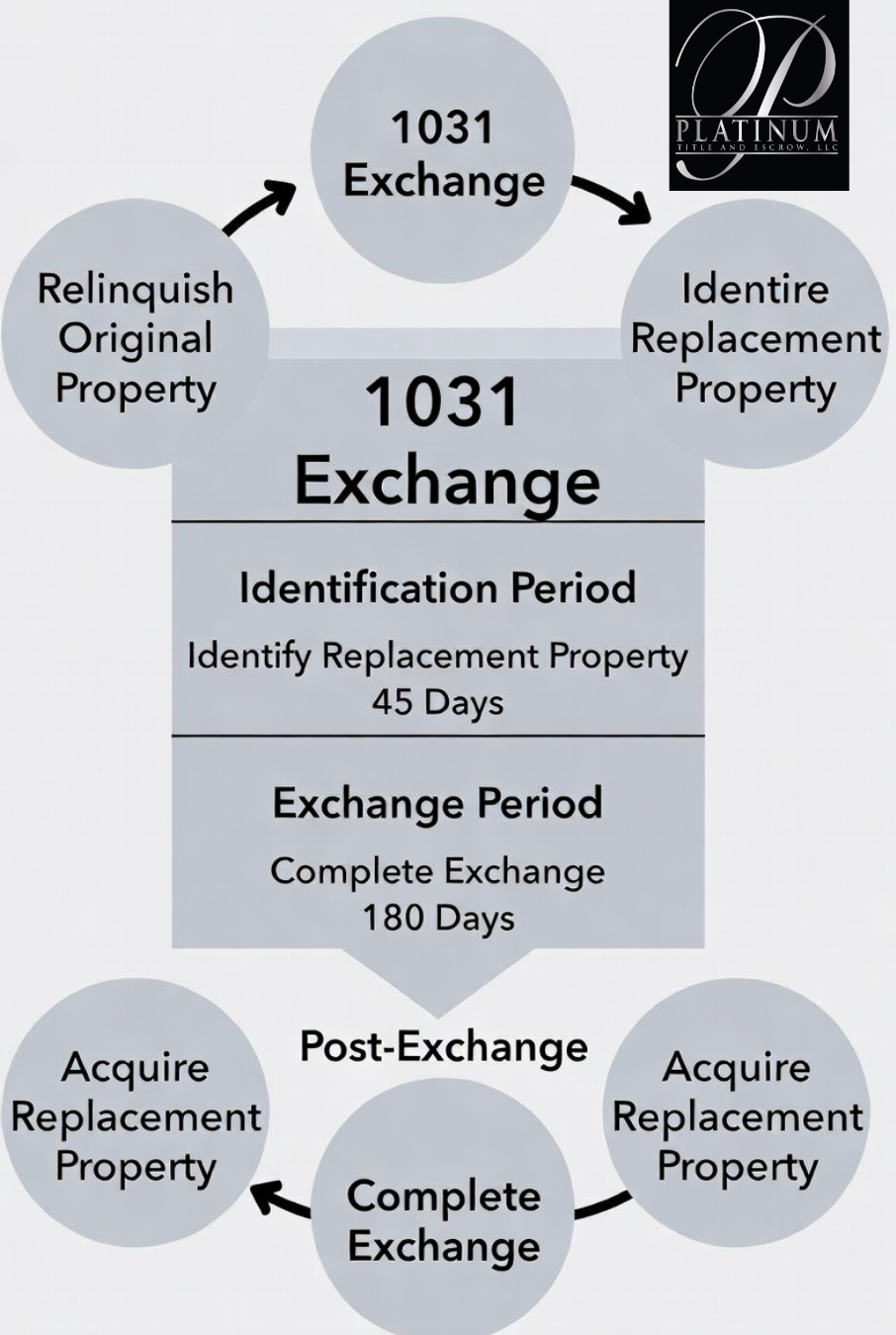
We also handle simultaneous closings when investors are using proceeds from one property sale to fund the purchase of another — including 1031 exchange timelines when a qualified intermediary is involved.
Title Insurance for Investment Properties
Owner's title insurance is just as important — arguably more important — for investment properties as for primary residences. Here's why:
• A title defect on a rental property can disrupt cash flow, trigger tenant disputes, and expose you to litigation from multiple directions at once.
• Investment properties often have more complex ownership histories — multiple prior transfers, entity ownership, probate sales — that increase the likelihood of hidden title issues.
• If you're purchasing a distressed property, foreclosure, or REO, thorough title work is non-negotiable.
For investors purchasing under an LLC or trust, we issue title insurance naming the entity as the insured — protecting the investment at the structure level, not just the individual.
Closing Costs for Investors
Investment property buyers in Nevada pay the same core closing costs as owner-occupants — escrow fees, title search and insurance premium, recording fees, and transfer tax. The main difference: if you're financing the purchase, your lender's title insurance premium (for the loan policy) is an additional line item.
Investors using cash — which is common in Las Vegas's competitive market — typically close faster and with fewer line items on the settlement statement. We provide investors with clear, itemized estimates upfront so there are no surprises at the table.
Why Investors Choose Platinum Title & Escrow
Speed, accuracy, and communication — three things that matter most when you're closing investment deals under tight timelines. Our team understands investor priorities: fast title exams, clean entity closings, clear HOA due diligence, and efficient coordination with lenders or hard money providers.
We serve investors across the entire Las Vegas Valley from our offices in Las Vegas (8778 S. Maryland Pkwy, Suite 115) and Boulder City (833 Nevada Way, Suite 2).
📞 Call (702) 498-4782 or visit TimeToGoPlatinum.com to open escrow on your next Las Vegas investment.
Comments